

Stop Explaining Everything in Children’s Stories
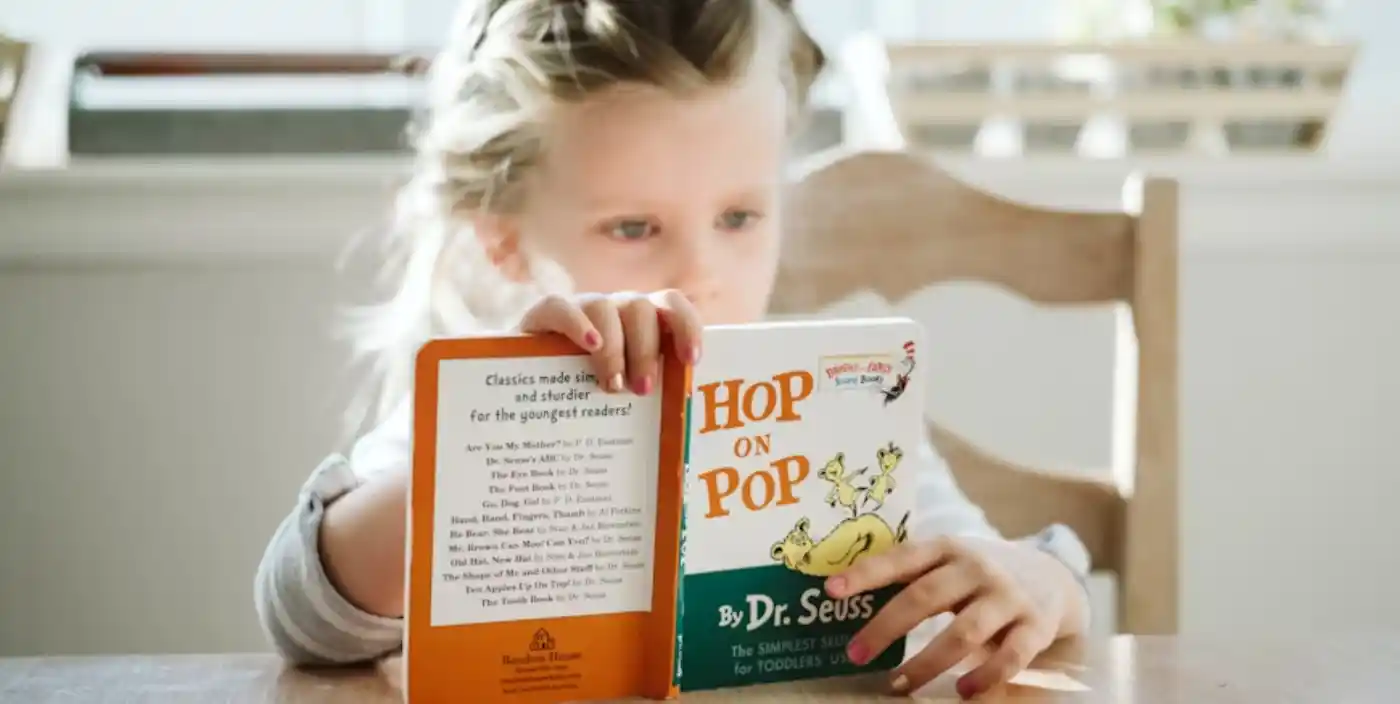
There’s a moment that haunts a lot of children’s book authors: the fear that young readers won’t get it. So, in a scramble to make the message clear, we spell everything out. We explain the joke. We drag out the moral. We repeat the same idea, then explain it one more time just to be safe. The result? A story that talks at children rather than to them.
Let’s be honest: this urge doesn’t come from the child. It comes from the adult, usually a well-meaning one who loves children, loves books, and thinks the best way to connect the two is through maximum clarity. But in our efforts to guide, we forget something crucial: kids are smarter, sharper, and far more emotionally intuitive than we give them credit for.
Children Are Not Blank Slates
One of the biggest myths in writing for children is that they come to books empty, waiting to be filled. But children don’t walk into a story with zero experience. Even at three, they understand disappointment, mischief, embarrassment, pride, the thrill of getting away with something. They’ve watched people cry. They’ve felt left out. They’ve made someone laugh and wanted to do it again. They’re little humans with big sensors, and those sensors are tuned in tighter than you think.
So when we overwrite emotion—*“she felt very, very sad because nobody wanted to play with her, and that made her feel lonely inside, like a gray cloud was hanging over her”—*what we’re doing isn’t helping them understand. It’s slowing them down. It’s like watching a magician and then having someone walk onstage and explain the trick. The awe vanishes.
Let the Silence Do Its Job
Think of a great children’s story—one that sticks. In Where the Wild Things Are, Max gets sent to bed without supper. That’s it. No lecture from the mom. No paragraph explaining how Max felt rejected or misunderstood. The emotion is baked into the action. And kids get it. They see the anger. They feel the loneliness. They understand the wildness and the comfort that follows without a single emotional cue card.
There’s power in restraint. In not explaining everything. It lets the child do the work. And guess what? They want to. They want to crack the code, read between the lines, and feel clever for figuring something out.
Stop Underestimating the Reader
Have you ever read a picture book aloud to a child and watched them laugh at something you didn’t even notice? Maybe it was an expression on a character’s face. Maybe it was a background joke in the illustration. Kids read stories in layers—visually, emotionally, through rhythm and mood. The idea that they only absorb what’s spelled out in bold letters is not only false, it’s creatively limiting.
When we overwrite, we rob them of discovery. We rob them of that golden moment when they connect the dots on their own and think, Hey, I got that. That feeling is part of what makes kids love stories in the first place. It builds confidence. It makes them return for more.
The Joke Doesn’t Need Explaining (Especially If It’s Funny)
Humor is one of the worst victims of over-explaining. There’s nothing that kills a joke faster than a follow-up sentence telling the reader why it was funny. But this happens all the time in children’s books. A character slips on a banana peel, the child laughs, and then the text adds: “because slipping on a banana is funny!”
We do it because we’re scared they won’t laugh. But that fear is usually unfounded. Kids have brilliant comedic timing. They get sarcasm younger than we think. They notice awkward moments and absurd behavior and contradictions—and they love it. They don’t need the punchline repeated. They’re already ahead of you.
Trust Their Brains. Trust the Story.
The best children’s books don’t water themselves down. They trust the story to do the heavy lifting—and trust the child to lift it.
That doesn’t mean stories should be confusing or vague. Clarity still matters. But there’s a difference between clarity and condescension. Between telling a story well and dragging it by the hand through every single beat.
Children know when they’re being talked down to. They feel it. And they tune out. But if you respect their intelligence, their instincts, their imagination—they will meet you there. In fact, they’ll often run ahead of you, laughing all the way.
So next time you’re tempted to add one more sentence to make sure they “get it,” pause. Take a breath. Cross it out. And let them get there on their own.
They will. And it’ll mean more because of it.