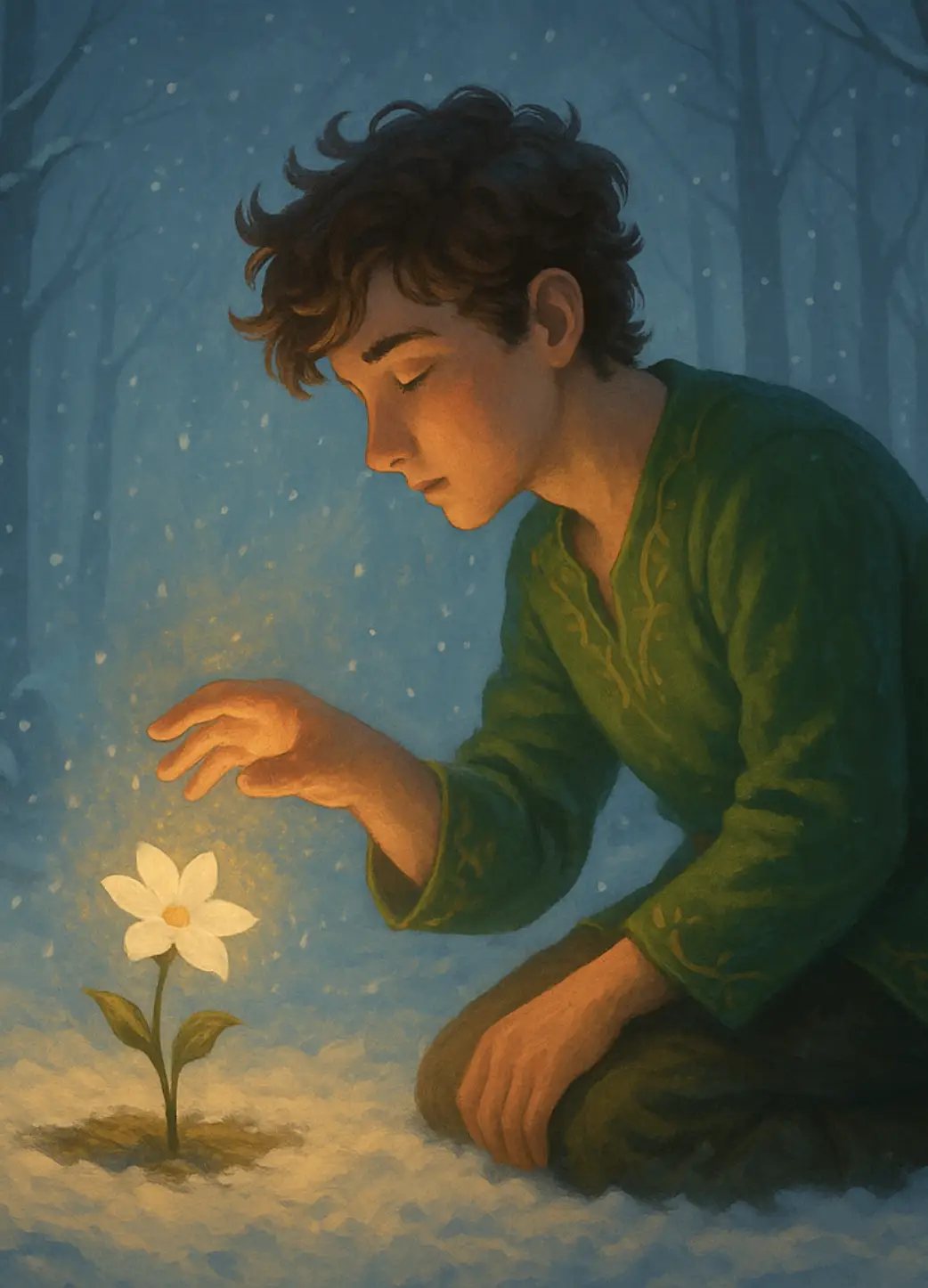

The Necessary Shadows: Why the Dark Characters in Children’s Literature are Essential Developmental Tools

For generations, the central conflict of children's literature has been the archetypal struggle between good and evil. Yet, to focus solely on the hero is to misunderstand the story's deepest value. The true engine of learning, the essential catalyst for moral development, often lies in the shadows-in the villains, the antagonists, and the challenging figures we met on the page as children.
These are not merely plot devices designed to be defeated. They are the essential pedagogical tools we need, providing a safe, controlled environment to grapple with the complex realities of the world. A truly professional editor understands that a powerful antagonist is not a detriment to a book’s appeal; it is the backbone of its enduring merit.
The Alchemy of Fear: Controlled Exposure to Chaos
Childhood is fundamentally an exercise in learning to navigate the unknown, and fear is the natural response to uncertainty. A literary villain, from the wicked stepmother to the terrifying creature lurking in the woods, offers children their first controlled exposure to a primal kind of terror.
Processing Anxiety:
When a child encounters a genuinely frightening character-not a cartoonish menace, but one with real narrative stakes-they are engaging in an in-utero training session for life’s challenges. They learn that fear can be thrilling, that chaos can be ordered, and that a powerful protagonist (often a reflection of themselves) can survive and overcome.
Defining Boundaries:
The villain’s actions establish the high-water mark of unacceptable behavior. This controlled exploration of danger allows children to process their own burgeoning anxieties about safety, loss, and the unpredictable nature of others, all while safely tucked into a reliable narrative structure.
The Unflinching Mirror: Fairness, Justice, and Consequence
The most critical function of an antagonist is their role in establishing a moral compass. In a narrative, the villain acts as the violation of the social contract. Their inevitable comeuppance-whether it is a simple defeat, a narrative redemption, or a just consequence-teaches the bedrock principles of fairness and justice.
When a character acts selfishly, cruelly, or unfairly, the villain provides the narrative’s proof of consequence. Without the antagonist’s transgression, the hero’s victory is meaningless, and the moral lesson is muted.
Moral Stakes:
The true literary antagonist raises the stakes beyond a simple conflict. They embody the consequences of unchecked desire or malice. This teaches children that actions have weight, that the world must be rebalanced, and that justice is a necessary force, not just a desirable outcome.
The Power of Rules:
Characters like Miss Trunchbull from Matilda may not be mythical, but they perfectly illustrate how power can be misused and why standing up for the exploited is paramount. They define the moral lines that the child reader learns not to cross.
The Shadow of Empathy: Complexity Beyond Evil
The finest villains are rarely just pure evil. They are complex characters driven by jealousy, desperation, or a twisted logic that, to them, makes perfect sense. This complexity is perhaps the most advanced lesson they offer the young reader: the development of empathy.
The moment a child asks why the antagonist is doing what they are doing, they step out of the black-and-white world of childhood and into the grayscale of human motivation.
Understanding Motivation:
A sophisticated narrative allows the reader a glimpse into the antagonist’s internal landscape, revealing the injury, the slight, or the deep-seated fear that fuels their malice. This vital exposure shows children that harmful actions often stem from pain, not just innate wickedness.
The ‘Other’:
By humanizing the monstrous, literature trains the young mind to look past the surface of the “other” in the real world. It teaches that understanding a person’s context, though not excusing their actions, is the first step toward compassion and, ultimately, effective resolution.
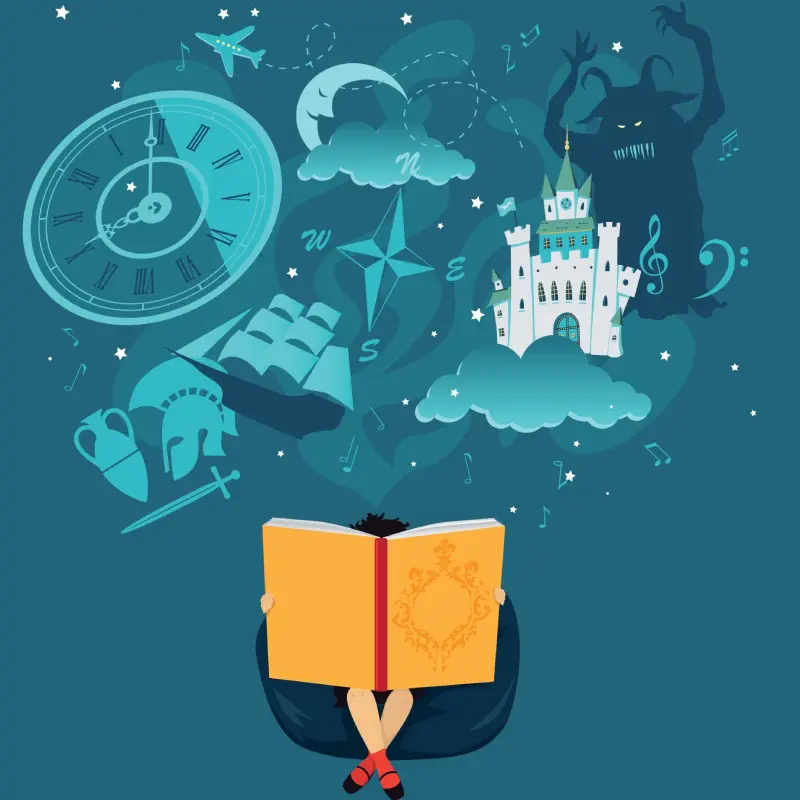
The Enduring Legacy
The “villains we needed as kids” were not the ones who were easily dispatched with a wave of a magic wand. They were the ones who made us feel uncomfortable, who made us worry for the hero, and who, most importantly, made us think.
They are the necessary shadows that define the light of the protagonist. By presenting darkness in a contained and meaningful way, these challenging characters equip the next generation of readers with a nuanced understanding of fear, a strong foundation of justice, and the empathy required to navigate a world that is always more complex than a simple fairy tale.